

Sleep, Anxiety, and Immunity: New Study Reveals a Hidden Cancer Risk Pathway
A new Frontiers in Immunology study links anxiety and insomnia to measurable changes in immune cells, particularly natural killer (NK) cells. The findings suggest psychological stress may directly influence inflammation and cancer risk.
Mental health has long been considered separate from physical disease. But that separation is rapidly disappearing.
A new study published in Frontiers in Immunology provides compelling evidence that anxiety and sleep disorders are not just psychological conditions. They may directly reshape the immune system in ways that increase disease risk.
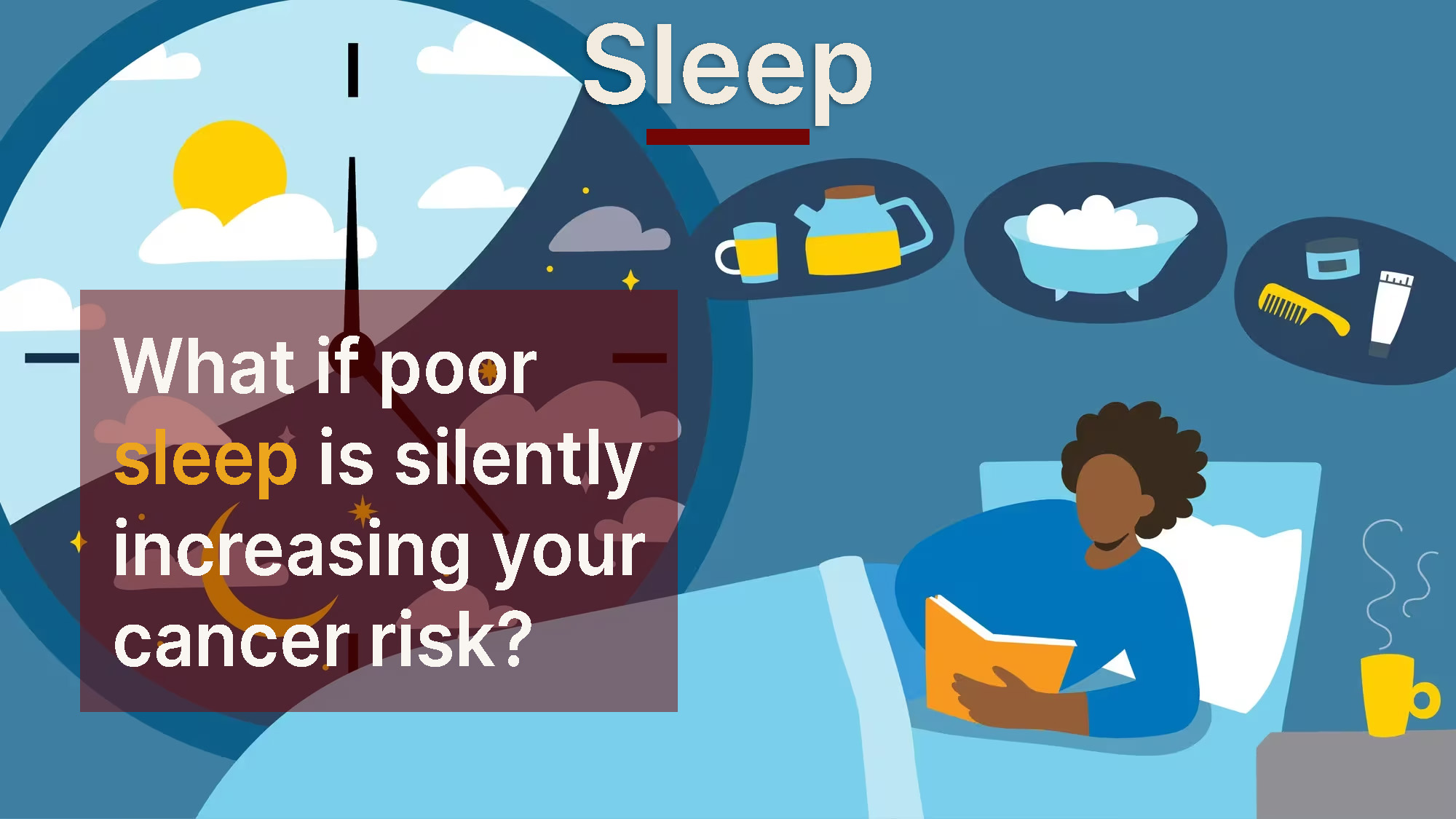
A Measurable Biological Shift
The study found that people with anxiety and poor sleep exhibit:
- Changes in the number and activity of peripheral NK cells
- Altered immune signaling patterns linked to inflammation
- Signs of immune dysregulation that may precede disease
These are not subtle shifts. They represent a system-level immune imbalance, suggesting that psychological stress is translated into biological dysfunction.
From Stress to Tumor Risk
Perhaps the most striking implication is the link to tumorigenesis.
The researchers suggest that chronic immune disruption caused by anxiety and insomnia may create conditions that favor cancer development. This happens through:
- Reduced immune surveillance (weaker NK cell activity)
- Increased inflammatory signaling
- Impaired ability to eliminate abnormal cells
In other words, stress may not just correlate with disease. It may actively enable it at the cellular level.
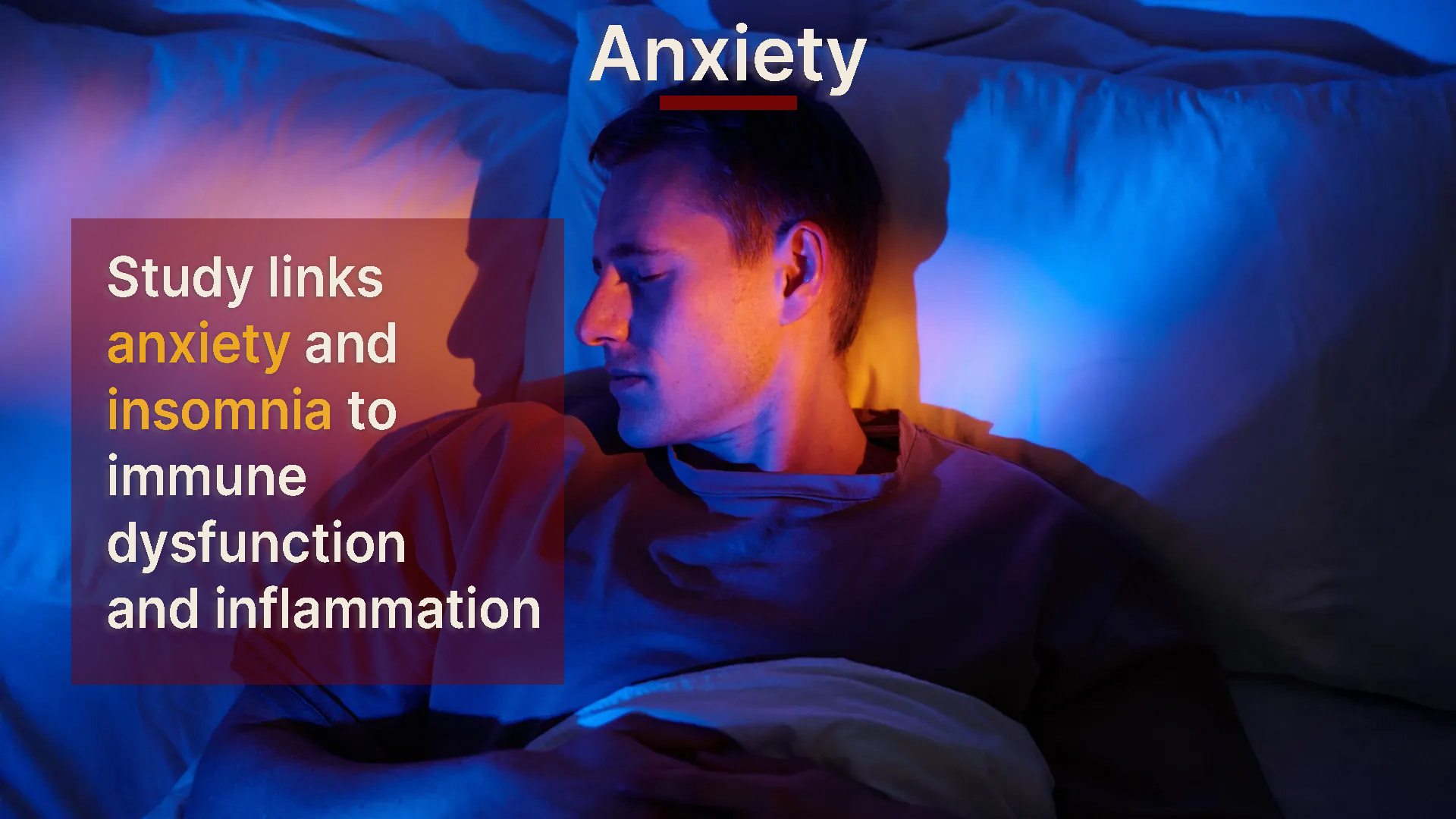
Rethinking the Mind–Body Divide
This study reinforces a growing realization in biology:
There is no clean separation between mental and physical health.
Sleep, stress, and emotional regulation are deeply embedded in immune function. When they are disrupted, the consequences ripple across the entire body.
Why This Matters for GeneFit Readers
This is a critical signal for the future of precision health.
GeneFit has always positioned metabolism, immunity, and lifestyle as interconnected systems. This study validates that approach at the cellular level.
For GeneFit, the implications are clear:
- Mental health is not optional. It is a core metabolic variable
- Sleep optimization should be treated as a biological intervention, not lifestyle advice
- Immune profiling could become a key tool in assessing chronic stress impact
In practice, this means that treating obesity, metabolic dysfunction, or aging without addressing sleep and stress is incomplete.
The future is integrated biology. And this study is another step in that direction.
Reference
Alhamawi, Rawan, Alharbi, Abdulaziz S., Alghamdi, Fahad A., Alotaibi, Khalid M., Alzahrani, Mohammed A., Almutairi, Abdullah S., Alqahtani, Saad S., Alshammari, Faisal M., Alsubaie, Bandar A., Alharbi, Turki A., Alrashidi, Mohammed A., & Alotaibi, Nasser M. (2025). Association between anxiety, insomnia, and immune cell dynamics: Implications for inflammation and tumorigenesis. Frontiers in Immunology, 16, 1698155. https://doi.org/10.3389/fimmu.2025.1698155
Disclaimer: The information on this website is for educational purposes only and does not constitute medical advice, diagnosis, or treatment. Content is based on publicly available scientific sources and does not replace consultation with a DHA-licensed healthcare professional. No claims are made that this information can prevent, diagnose, or cure any disease. Individual results may vary. GeneFit Clinics assumes no responsibility for any consequences arising from the use of this information.

Ready to unlock your potential?
Your body deserves better than guesswork.
Book a consultation to discover a personalised transformation experience, built on your unique biology and delivered with concierge-level care.